https://www.facebook.com/garyfelicia2/videos/1232688258457411
SHARED FROM SOCIAL MEDIA:
Hands Down The Best Post I’ve Seen Written About Nottoway Plantation From A Proud & Intelligent Black Woman’s (Felicia Johnetta Williams Gary) Perspective. It’s long but well worth reading!!!
I’ve seen a lot of comments on various social media platforms about the burning of Nottoway. I’m not on social media platforms a lot, but every now and then I see things that I feel compelled to comment on. This is one of them. So sit back and get your cup coffee, glass of water, or favorite drinking beverage if you decide to read what I’ve written. Because it isn’t short, but it is heartfelt, honest, straightforward and true. Those who know me and how I am, know this is me all my living days.
While I understand the mixture of feelings about the burning of Nottoway. I am going to tell you something about it from those of us that’s from where Nottoway stood.
As you know, I am a Louisiana born, raised and proud Black Woman of Creole and Cajun heritage. I have traced and collected documents and information about my maternal and paternal family histories all the way back to slavery times. We, Louisianians are a proud and resilient people. A mixture (blend) of every culture, race, creed, etc., A beautiful, delectable, tasty gumbo.
The maternal and paternal roots, history, heritage, and legacy of my family is from Bayou Goula (Iberville Parish) and New Orleans(Orleans Parish) that’s where the family trees begin and spread out here in America and the other continents and other countries.
I’ve always said history is what it is- good, bad, ugly. It is all-encompassing and permanent. No matter how we like it, dislike it, try to hide, dismiss, or ignore it. It happened and it is recorded in the record of time, heaven, earth, and universe. All we can do is remember, grow, and learn from history, and those parts of history that were wrong, unjust, and horrible we make sure not to repeat. Where I’m from we don’t hide our history. We embrace it, all of it- good, bad, and ugly. We learn, grow, and take responsibility and ownership of it.
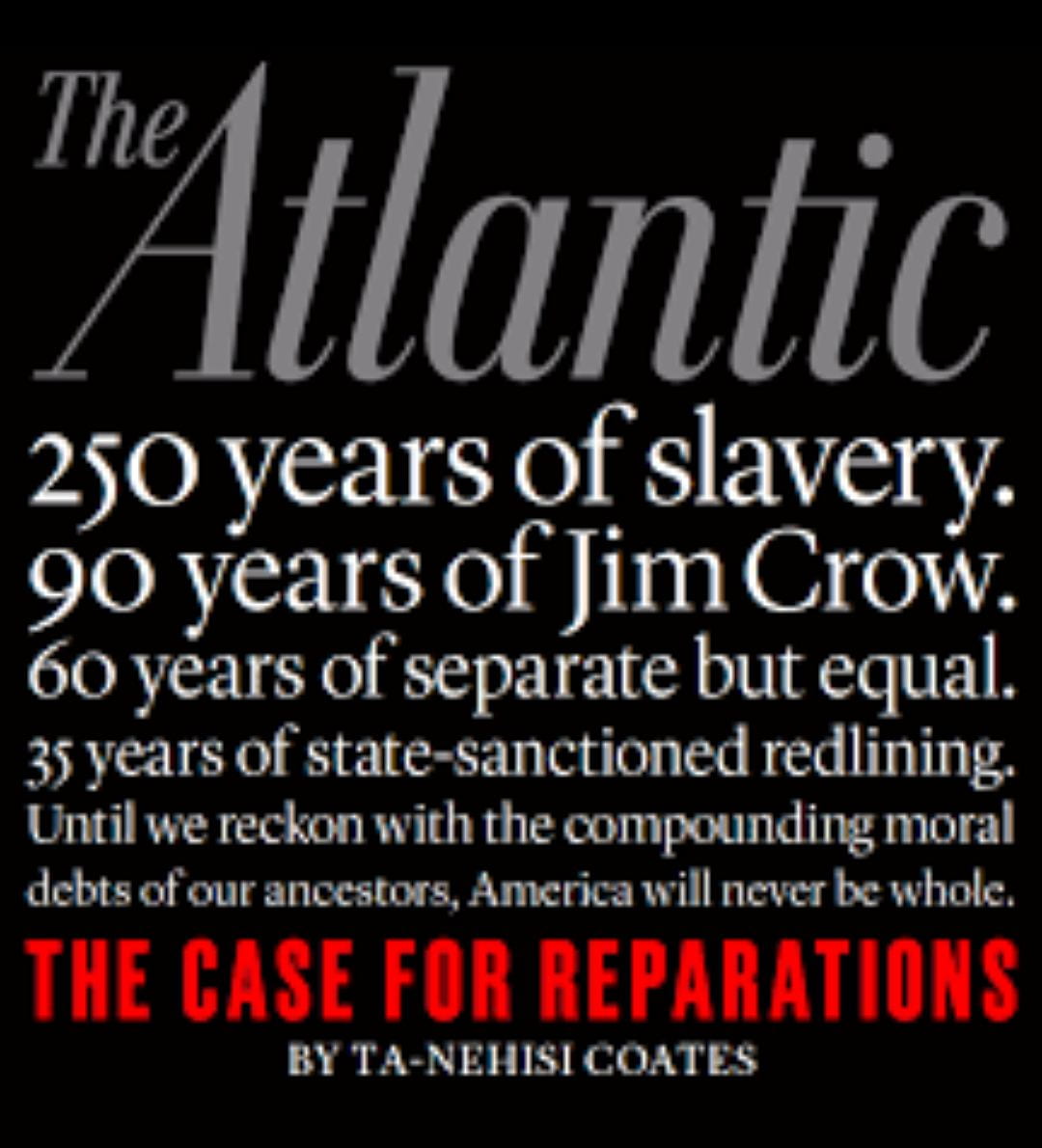
And yes, we are very protective of our history, heritage, roots,and culture. We don’t seek reparations for anything because we value and know the most important things is to keep our family histories, culture, customs, heritage, traditions intact and passed on to the next and future generations. So, when some of you stated what was loss in the burning of Nottoway is the history contained in that house and that land, You are correct.
Nottoway didn’t burn as a vengeful act of our ancestors because it was the blood, sweat, tears, pain, joys, sacrifices, struggles, and triumphs of our ancestors that built that house, built that land, and built us.
Nottoway sat in the middle of three communities Bayou Goula, White Castle, and Dorseyville- each one diverse, equal, and inclusive. Black, White, Red, Yellow, French Creole, Cajun, Italian, Polish, Asian, Spanish, etc., every one of us has historical and cultural ties to that house.
I fight as I do against white supremacy, injustice, and against all racists because I was taught to do so by my family (maternal, paternal) and all those people from all the communities- Bayou Goula, White Castle, Dorseyville, and New Orleans regardless of our skin color, creed, beliefs, etc.
What you are shown and told by Hollywood and others not of the places and spaces I am from, those who know not of our history, experiences, culture, heritage, and legacy have no right to judge us or tell us how we should be feeling, what to think, act, etc. Yes, we do feel insulted and take offense.
We Louisianians are not like any other Southerners you know or will come across. When you are told Louisiana is the most unique Southern State with a unique, diverse, and inclusive history and people that’s no lie. Believe it. Our history, ways, culture, heritage, legacy, stories, life experiences, and people are not like anybody else. No matter where else we live, travel, we carry all that with us. It’s ours.
In closing, I want you and others to know that Nottoway was where I got my first job as a teenage girl working as a banquet staff employee in Randolph Hall and I worked as a tour guide at Nottoway after leaving by beloved City of New Orleans to return to my beloved Country Home of Bayou Goula and live in White Castle. On my tours you learned not only about the people who lived in that house, you learned about the enslaved and the free people of color tied to the house. You see, Louisiana was the only state that had Free People of Color (Gens De Coleur Libre) that owned property and owned plantations and lucrative businesses, as well as FreedMen and FreedWomen that did the same either through manumission or placage (that’s another story). Even created their own villages and communities that were prosperous and lucrative (Faubourg Maringny and Treme to name a few) No other Southern State had this to be and occur so often BEFORE the American Civil War. So our ancestors in Louisiana weren’t all slaves and they created, invented, and built things that stood the test of time and make us their descendants to stand proud.
Nottoway was never a death camp for any of us, because our ancestors blood, sweat, tears, joys, hardships, and triumphs built that house, that land, and our communities. It built us. We don’t need reparations. We are the reparations. — Felicia Johnetta Williams Gary 

https://www.facebook.com/reel/569953519112715
https://www.facebook.com/reel/1240247324772665
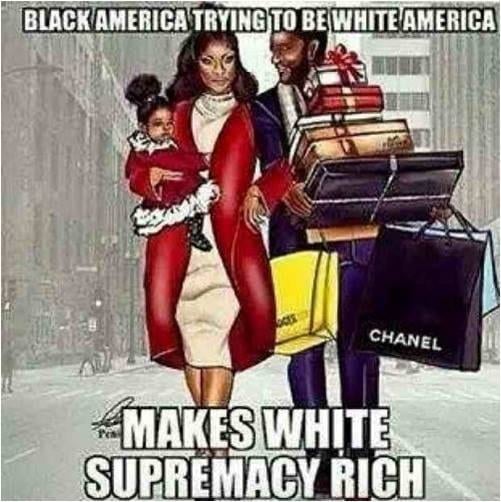
BLACK LABOR WHITE WEALTH
https://www.facebook.com/reel/500050562220429
https://www.facebook.com/TheBlackLoveBlueprint/videos/242432297750828
https://www.facebook.com/2058875/videos/10117870385151721


Nottoway Plantation is destroyed.
It was known as a tourist site.
It was a historic home.
The grand ballroom was captivating.
The elegance
The music
The beauty
The meticulousness
The imaginative
The charm
IT IS CLEARLY NOTTOWAY NOW.
The craftsmanship of the house
The in depth detail was simply us.
The authentic reality is being SET FREE AND DISPLAYED.
OUR ENSLAVED AFRICAN AMERICANS BUILT THIS BEAUTY.
OUR ENSLAVED AFRICAN AMERICAN ANCESTORS FORCED LABOR GAVE THIS MANSION ITS NAME.
OUR ENSLAVED AFRICAN AMERICAN ANCESTORS SKILLS SHAPED EVERY BIT OF THAT GRANDEUR.
OUR ENSLAVED AFRICAN AMERICAN ANCESTORS LEGACY IS BEING UNCOVERED THROUGH FIRE, IF BEAUTY OUT OF ASHES WAS A THING…….THIS IS THE THING.
THE BRUTALITY
THE OPPRESSION
THE POVERTY
THE SUPPRESSION
THE PAIN
THE INJUSTICE
THE MALTREATMENT
THE MALPRACTICE
YET THE ARTISTRY IS SOMETHING WE NEEDED TO HEAR, SEE, AND CLEARLY UNDERSTAND TO HONOR, AND RESPECT OUR STORIES, OUR CONTRIBUTIONS, OUR RESILIENCE, OUR HONOR, OUR RESPECT, OUR CREATIONS, OUR CONFIDENCE, OUR STRENGTH, OUR MASTERY, OUR PROFICIENCY, OUR INTELLECTUAL ABILITIES, OUR CONDITIONS
“BLACK HISTORY
Nottoway Plantation, also known as Nottoway Plantation House, was a historic plantation house located near White Castle, Louisiana, United States. The home was a Greek Revival- and Italianate-styled mansion built by enslaved African-American laborers for John Hampden Randolph in 1859. It was the largest antebellum plantation house in the Southern United States with 53,000 square feet (4,900 m2) of floor space until it was destroyed by fire on May 15, 2025.”
https://www.facebook.com/stevenv512/videos/1013639584215587
“You will see a lot of people posting about Nottoway Plantation burning down. What they probably won’t mention is that it was built by Black slaves and in 1860 the owners had 155 slaves at a time when the norm was 20.” John Anderson
“Nottoway Plantation was built by 155 enslaved black people…. They did the brick work and Under Henry Howard’s guidances, slaves built the house mostly from cypress trees in the nearby swamplands along the neighboring Mississippi River.
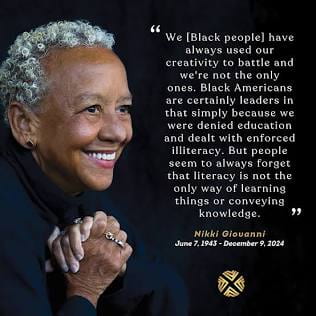
“If you think about it, if that’s only place you’ve lived your whole life, your family is there — your friends, your family, your community. And if you were enslaved, you were kept illiterate, so it would be so difficult to leave.”
The fact people get married here and take vacations here is wild. YOU have a choice. My ancestors did not. And you choose to be happy on a PLANTATION. 166 years TOO long.” Mike Lowry


This is Dr. Mia A Crawford-Johnson. Read what she had to say about this fire: “The recent reactions to the burning of Nottoway Plantation have illuminated a striking racial divide in emotional responses, particularly among many white individuals who express outrage, in contrast to Black individuals who perceive the event as symbolically liberating. This divergence in response underscores a broader societal deficit in empathy and emotional intelligence, particularly in understanding the historical and psychological burden that plantations represent for Black Americans.
For many Black individuals, plantations are not simply historical sites; they are emblematic of centuries of dehumanization, violence, and systemic oppression. The legacy of slavery continues to manifest in various ways, including what Dr. Joy DeGruy has termed Post Traumatic Slave Syndrome (PTSS). PTSS refers to a set of adaptive survival behaviors developed in response to multigenerational trauma stemming from slavery and continued through systemic racism and oppression.
Emerging research in the fields of epigenetics and psychology supports the concept of transgenerational trauma, wherein the psychological and physiological impacts of trauma are transmitted across generations. Studies suggest that severe stress and trauma can result in epigenetic modifications, changes in gene expression that do not alter the DNA sequence but can affect how genes are turned on or off. These modifications can potentially be inherited, thereby predisposing descendants to heightened stress responses, anxiety, and other psychological effects, even in the absence of direct exposure to the original traumatic events.
This scientific framework challenges the notion that slavery is a distant historical issue with no present-day impact. On the contrary, the intergenerational transmission of trauma highlights the enduring psychological legacy of slavery and underscores the need for societal recognition, empathy, and trauma-informed approaches to racial healing and justice.”
THE EULOGY…
Nottoway Plantation, also known as Nottoway Plantation House, was a historic plantation house located near White Castle, Louisiana, United States. The home was a Greek Revival- and Italianate-styled mansion built by enslaved African-American laborers for John Hampden Randolph in 1859. Nottoway Plantation burned to the ground this week after a fire broke out Thursday, authorities say. Why it matters: The plantation was the largest antebellum mansion remaining in the South, making it an important but complicated connection to the nation’s history of enslavement. The Greek Revival and Italianate style mansion was designed by renowned architect Henry Howard of New Orleans, a prolific designer behind some of Louisiana’s most iconic buildings, including the Pontalba apartments in Jackson Square and the Robert Short house. Under Howard’s guidances, slaves built the house mostly from cypress trees in the nearby swamplands along the neighboring Mississippi River.
The extravagant home was fitted with many of the highest luxuries of the time: flushing toilets and hot and cold water in all bathrooms (thanks to 10,000 gallon copper tank), gas lighting, a grand 65-foot ballroom and a bowling alley installed for Randolph’s 11 children. By 1860, Randolph owned 155 enslaved Black people and 6,200 acres on the Nottoway plantation, 1,200 of which were under cultivation, according to a 1980 National Register of Historic Places nomination form submitted for the property.
During the Civil War, Nottoway managed to avoid sustaining any major damage, like many of Louisiana’s other large plantations. Eventually, the home was acquired by the Owens family in 1912 and it passed on through several generations.
#Nottoway #WhiteCastle
“So J.Jaeger Jr bought Nottoway plantation in 2019 for 3.1 million. If I’m correct he passed away in June 2024. Maybe a motive for what happened today. Ijs” Shantrelle Turner
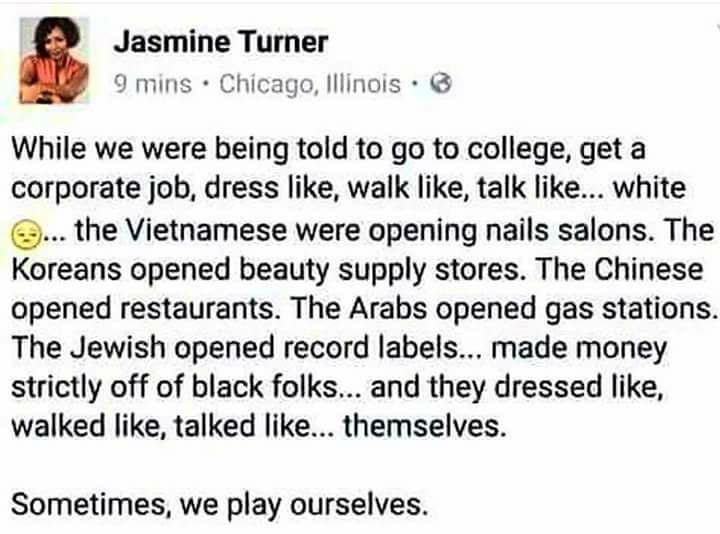
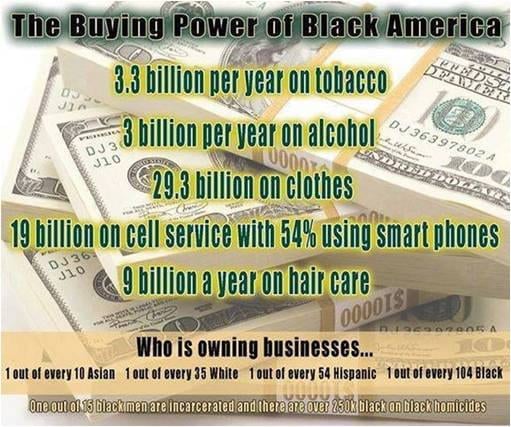
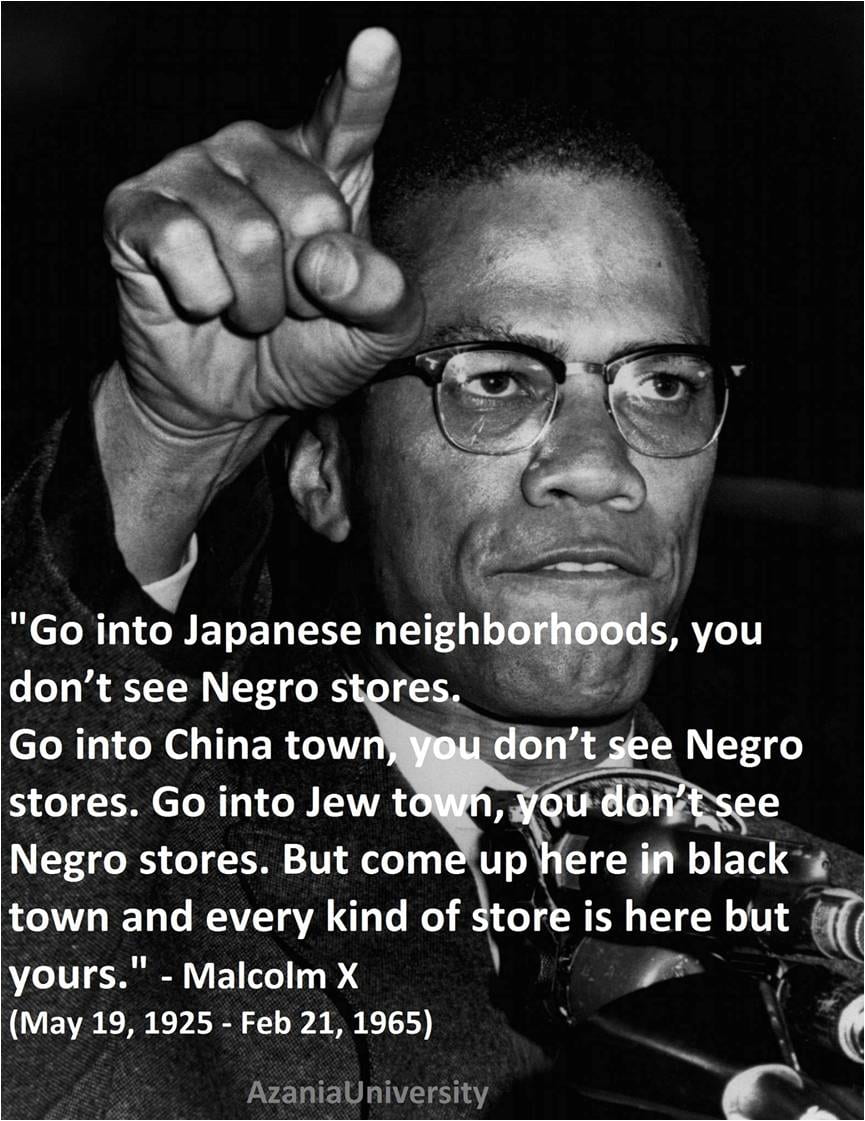
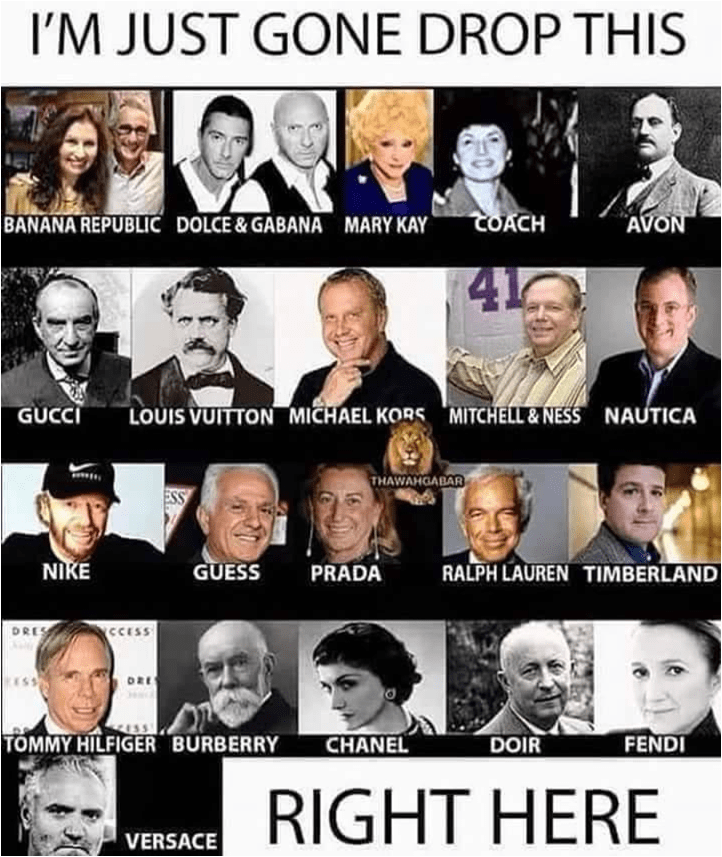
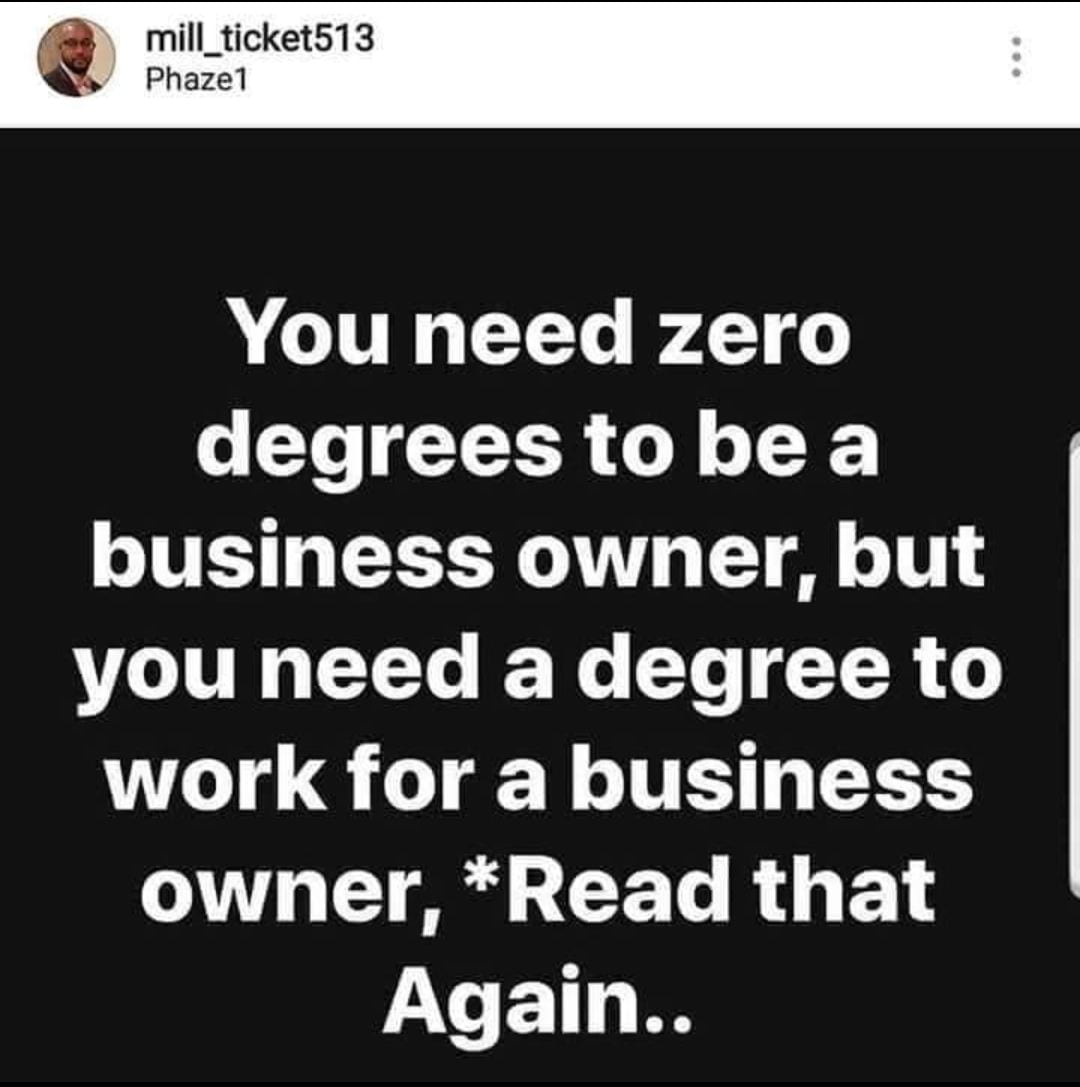
“Black labor white wealth: We don’t have to go deep. I took my car to the mechanic and despite the ownership being Indian or White, the labor is African. So what is going on? Some global injustice? There is an inherent disadvantage that Africans face in business. And we have to start there. We don’t support each other and then on top of that, we don’t trust each other. So a brother, no matter how hard he tries, is up against some hardcore challenges. The working capital needed to start something that will grow beyond a hand-to-mouth business is pretty hard for our people to get hold of.
But one of the greatest challenges is EDUCATION and we use a holistic discussion of education to include the application of knowledge. While the brother in the photo knows how to do my brakes and my oil  he cannot do so on his own. He lacks all of the skills (business sense, ethics, discipline, quality control, confidence, commitment, long-term vision, banking knowledge, English, customer service) to run anything big. If he came to me and said just come to me and get your brakes changed I would not. Because without the supervision of his Indian or White boss there is a good chance his myopic nature will mess me up.” Adeican Holocaust

https://www.facebook.com/watch?v=1393001695073685



































 https://www.facebook.com/reel/648349351301943




![We've Been Conditioned To Think That Only Politicians Can Solve Our Problems...." - Ben Carson [719x708] : r/QuotesPorn](https://preview.redd.it/r5ou1qa5urm31.jpg?width=640&crop=smart&auto=webp&s=9883a496b9116434e9867d97d7b155f845cbd969)



































![Nikki Giovanni quote: We [Black people] have always used our creativity to battle...](https://www.azquotes.com/picture-quotes/quote-we-black-people-have-always-used-our-creativity-to-battle-and-we-re-not-the-only-ones-nikki-giovanni-128-82-77.jpg)